

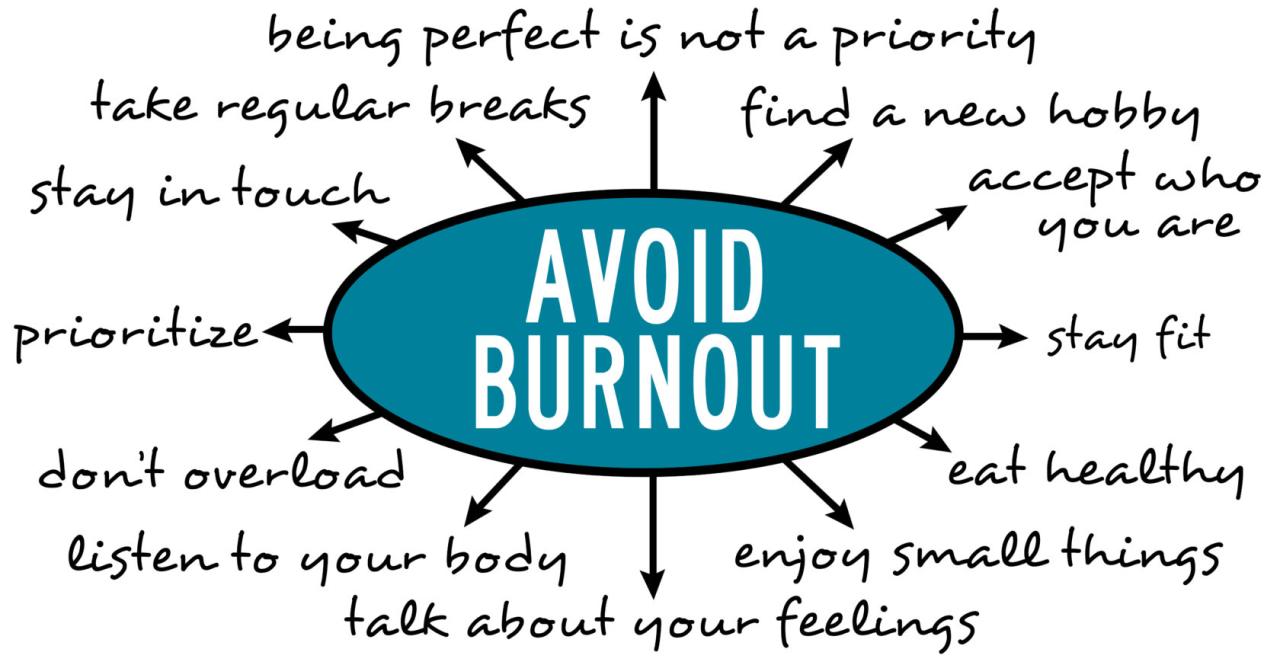
Burnout is more than just feeling tired after a long week of work. It is a state of chronic physical and emotional exhaustion caused by prolonged, unmanaged stress. When you experience burnout, your daily responsibilities feel overwhelming, your motivation vanishes, and every task feels like an uphill battle. In today’s fast-paced digital economy, the boundaries between personal life and work have blurred significantly, pushing millions of professionals toward total mental depletion.
Preventing burnout requires a proactive, intentional approach to your daily routine. By establishing healthy, science-backed habits, you can rebuild your energy levels, restore mental clarity, and achieve a sustainable work-life balance.
Understanding the Architecture of Burnout
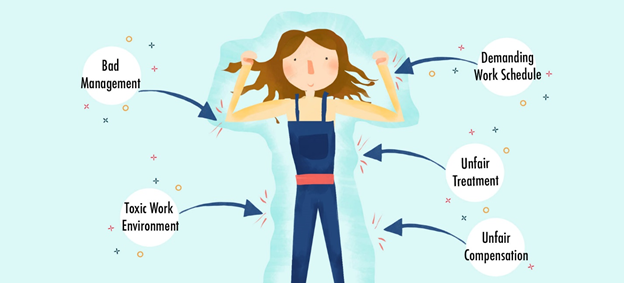
To effectively combat burnout, you must first recognize how it develops over time. Burnout rarely happens overnight; it is a gradual process that creeps up through subtle symptoms before taking over your physical and mental health.
Key Signs of Approaching Burnout: A. Chronic Fatigue: Feeling constantly drained and exhausted, even after getting a full night of sleep. B. Cynicism and Detachment: Developing a negative, indifferent, or resentful attitude toward your job, colleagues, or everyday responsibilities. C. Reduced Professional Efficacy: Struggling to concentrate, taking much longer to complete routine tasks, and feeling a pervasive sense of uselessness or lack of accomplishment. D. Physical Symptoms: Experiencing frequent headaches, muscle tension, stomach issues, or frequent illnesses due to a weakened immune system.
Core Physical Habits for Burnout Prevention
Your body and mind are deeply interconnected. When physical health declines, mental resilience drops immediately. Prioritizing core physical habits provides the foundational energy needed to handle daily psychological stress.
A. Prioritize High-Quality Rest and Recovery
Sleep is the primary mechanism your body uses to repair cells, process emotional events, and regulate stress hormones like cortisol. Skimping on rest to gain extra working hours is a primary catalyst for severe burnout.
-
Maintain a Consistent Sleep Schedule: Go to bed and wake up at the exact same times every day to keep your circadian rhythm aligned.
-
Create a Tech-Free Wind-Down Routine: Turn off screens at least one hour before bed. The blue light emitted by phones and laptops suppresses melatonin production, interrupting deep sleep cycles.
-
Optimize Your Sleep Environment: Keep your bedroom dark, quiet, and cool—ideally around 60 to 67 degrees Fahrenheit (15 to 19 degrees Celsius).
B. Nourish Your Brain with Balanced Nutrition
What you consume directly affects your brain chemistry, mood stabilization, and energy stamina throughout the day. High-sugar snacks and excessive caffeine create dramatic blood sugar spikes followed by severe energy crashes, amplifying feelings of stress.
-
Focus on Whole, Unprocessed Foods: Incorporate dense leafy greens, lean proteins, healthy fats, and complex carbohydrates into your meals.
-
Support Your Gut Microbiome: Consuming probiotic-rich foods like yogurt, kefir, and fermented vegetables improves gut health, which is directly linked to serotonin production in the brain.
-
Strategic Caffeine Consumption: Avoid drinking caffeine on an empty stomach immediately after waking up. Wait 60 to 90 minutes to allow natural cortisol levels to balance out, and stop caffeine intake by 2:00 PM.
C. Engage in Purposeful Movement Daily
Exercise acts as a natural stress reliever by triggering the release of endorphins—the body’s natural mood boosters. You do not need to perform extreme workouts every day; moderate, consistent movement is far more effective for preventing long-term exhaustion.
-
Low-Impact Aerobic Exercise: Activities like brisk walking, swimming, or cycling for 30 minutes daily reduce systemic inflammation and elevate mood.
-
Strength Training: Lifting weights or doing bodyweight exercises improves resilience and metabolic health.
-
Mindful Movement: Practices like yoga or tai chi combine physical posture with breath control, downregulating the sympathetic nervous system (the fight-or-flight response).
Essential Psychological and Mindset Habits
Managing your physical body is only half the battle. Preventing burnout requires actively managing your mental capacity, workload expectations, and emotional boundaries.
A. Establish Firm Professional and Personal Boundaries
A primary cause of professional exhaustion is the inability to disconnect from work. Constant accessibility via email, messaging apps, and phone calls keeps your nervous system in a state of continuous alert.
-
Set Clear Working Hours: Define explicit start and end times for your workday, communicate them clearly to team members, and strictly log off when the time comes.
-
Separate Work and Leisure Spaces: If you work remotely, dedicate a specific area purely for work. Avoid working from your bed or couch to keep your brain from associating relaxation zones with stress.
-
Learn the Art of Saying No: Over-committing to projects, social obligations, or extra tasks depletes your limited energy reserves. Evaluate incoming requests carefully and decline those that do not align with your priorities.
B. Master Micro-Breaks Throughout the Workday
Working continuously for hours without pausing rapidly degrades focus, creativity, and executive function. Taking short, structured breaks maintains steady productivity while keeping fatigue at bay.
-
The Pomodoro Technique: Work with complete focus for 25 minutes, followed by a 5-minute break. After completing four cycles, take a longer rest period of 15 to 30 minutes.
-
The 50/10 Rule: Work intensely for 50 minutes, then step away completely for 10 minutes to stretch, hydrate, or look out a window.
-
Visual Rest (20-20-20 Rule): Every 20 minutes, look at an object at least 20 feet away for 20 seconds to eliminate eye strain and mental exhaustion caused by screens.
C. Cultivate Mindfulness and Emotional Awareness
Mindfulness involves staying present in the current moment without judging your thoughts or emotions. Practicing mindfulness prevents your brain from spiraling into anxiety over future deadlines or dwelling on past mistakes.
-
Daily Meditation: Dedicate 5 to 10 minutes every morning to silent meditation or guided breathing exercises using apps like Headspace or Calm.
-
Box Breathing Technique: Inhale through your nose for 4 seconds, hold your breath for 4 seconds, exhale through your mouth for 4 seconds, and hold empty for 4 seconds. Repeat this four times to instantly calm an overstimulated nervous system.
-
Journaling for Emotional Release: Spend a few minutes each evening writing down your thoughts, fears, and accomplishments. Unloading your mind onto paper prevents rumination during rest hours.
Environmental and Organizational Habits
Your immediate surroundings and how you organize your physical workspace play a massive role in your mental health. Cluttered, chaotic environments subtly increase stress and cognitive load.
A. Optimize Your Workspace for Comfort and Focus
An uncomfortable chair, poor lighting, or a chaotic desk constantly draws energy away from your core tasks, adding unnecessary physical stress to your body.
-
Implement Ergonomic Design: Position your computer monitor at eye level, adjust your chair so your feet rest flat on the floor, and keep your elbows at a 90-degree angle while typing.
-
Maximize Natural Sunlight: Position your workspace near a window whenever possible. Natural light boosts daylight alertness, elevates mood, and improves sleep quality at night.
-
Declutter Regularly: Keep your desk clear of unnecessary papers, trash, and distractions. An organized workspace promotes an organized mind.
B. Reclaim Control Over Your Time and Priorities
Feeling like you have no control over your workload is a fast track to emotional breakdown. Utilizing efficient time management frameworks restores a sense of agency and mastery over your schedule.
-
The Eisenhower Matrix: Organize tasks into four distinct quadrants based on urgency and importance: A. Urgent and Important: Do these tasks immediately. B. Important but Not Urgent: Schedule specific time slots to complete these high-value tasks. C. Urgent but Not Important: Delegate these tasks to others whenever possible. D. Neither Urgent nor Important: Eliminate these time-wasting tasks completely.
-
Time Blocking: Divide your day into dedicated blocks of time for specific activities—such as deep work, checking email, attending meetings, and taking lunch. This eliminates the heavy cognitive tax of multi-tasking.
-
Single-Task Focus: Research shows that multitasking decreases efficiency and increases error rates by up to 40%. Focus entirely on one single task until it is completed before switching to the next item.
Social Support and Connection Habits
Human beings are inherently social creatures. Isolating yourself when overwhelmed accelerates the path to burnout. Strong social connections act as a vital buffer against acute workplace stress.
A. Build a Trustworthy Support Network
Having people you can talk to openly about your struggles helps process complex emotions and offers fresh perspectives on challenging situations.
-
Connect with Professional Mentors: Seek guidance from experienced colleagues who can offer advice on career navigation, workload management, and setting boundaries.
-
Cultivate Non-Work Friendships: Spend quality time with friends and family members who have no connection to your job. Discussing topics outside of work reminds you that your career is only one aspect of your overall identity.
-
Join Support Communities: Engage with professional associations, local interest groups, or online wellness communities where individuals share similar experiences and solutions.
B. Schedule Unstructured Play and Creative Hobbies
When life becomes entirely centered around productivity, duty, and work obligations, joy vanishes. Engaging in activities purely for pleasure without any performance pressure replenishes your creative energy.
-
Explore Creative Pursuits: Painting, playing a musical instrument, gardening, cooking, or writing fiction stimulates different areas of your brain, offering a mental release from analytical work stress.
-
Spend Time in Nature: Research indicates that spending at least 120 minutes per week in green spaces lowers stress hormones, lowers blood pressure, and boosts mood.
-
Embrace Unstructured Free Time: Reserve blocks of time on weekends where you have absolutely no plans or obligations. Allow yourself to rest, wander, or engage in spontaneous fun.
Developing Long-Term Resilience to Burnout
Preventing burnout is not a one-time project; it is an ongoing lifestyle commitment. As your life, career, and personal responsibilities evolve, your stress management strategies must adapt as well.
A. Conduct Regular Self-Audits
Check in with yourself at the end of every week or month to assess your stress levels, emotional energy, and general wellbeing. Ask yourself honest questions:
-
Am I feeling consistently exhausted or cynical about my work?
-
Have I been skipping my workouts, healthy meals, or sleep to meet deadlines?
-
Am I spending meaningful time with my family and friends, or am I constantly preoccupied with work?
-
Which specific tasks or people are draining my energy the most right now?
By identifying early signs of strain, you can make immediate course corrections before reaching a critical tipping point.
B. Seek Professional Help Early
There is no shame in seeking guidance from a licensed therapist, counselor, or executive coach when stress becomes unmanageable. Professional guidance offers customized tools to navigate workplace dynamics, overcome perfectionism, and heal from severe exhaustion.
Treating burnout prevention as a primary daily priority ensures that you can achieve high levels of success in your professional life while maintaining physical health, emotional balance, and personal fulfillment. Start by picking two or three small habits from this guide today, integrate them consistently into your routine, and gradually build a lifestyle that protects your energy for years to come.