

Table of contents
Maintaining long-term mental well-being requires consistent, intentional daily habits. Just as physical fitness depends on structured training, emotional stability relies on a resilient psychological foundation. Modern lifestyles introduce unique stressors workplace burnout, digital overload, and fragmented sleep making a proactive mental health strategy essential. A structured daily regimen helps stabilize mood, mitigate chronic stress, and boost cognitive performance.
1. The Foundations of Emotional Balance
Prioritizing psychological health is a necessity for long-term health. A daily wellness routine buffers against unexpected life challenges, builds emotional resilience, and keeps your mind clear.
Understanding the Role of Consistency
Establishing a stable daily flow reduces the cognitive load required to make decisions. When your daily actions become automatic, your brain conserves energy, which lowers overall anxiety and fatigue.
The Neurobiology of Daily Habits
- Neuroplasticity and Habit Formation: Consistent daily practices physically rewire brain circuits. Engaging in mindful behaviors strengthens pathways in the prefrontal cortex, improving self-regulation and focus.
- Cortisol Regulation: A predictable schedule balances your body’s stress response, preventing dangerous spikes in cortisol and adrenaline throughout the day.
- Neurotransmitter Systems: Activities like aerobic movement, exposure to sunlight, and deep social connections boost essential brain chemicals like serotonin, dopamine, and endorphins.
2. Morning Rituals for Cognitive Clarity
How you spend your first waking hour sets the emotional tone for the entire day. A structured morning routine prepares your nervous system for incoming demands.
Morning Habits for Mental Stability
A. Immediate Sunlight Exposure: Step outdoors within thirty minutes of waking. Natural light triggers early cortisol release, anchoring your circadian rhythm and setting a timer for night-time melatonin production.
B. Hydration Before Caffeine: Drink a full glass of water mixed with a pinch of electrolytes before consuming coffee. Overnight dehydration mimics symptoms of anxiety, including a rapid heart rate and sluggishness.
C. Low-Dopamine Awakening: Keep your phone away for the first half hour of the day. Checking notifications immediately floods your brain with cheap dopamine, pre-wiring you for distraction and stress all day long.
D. Mindful Somatic Movement: Spend ten to fifteen minutes engaged in dynamic stretching, light yoga, or brisk walking. Physical movement clears residual sleep inertia and releases tension built up overnight.
E. Intentional Priority Setting: Write down no more than three core objectives for the day. Clear priorities reduce overwhelm and prevent cognitive overload.
3. Midday Reset and Stress Interruption
Workplace stress accumulates continuously throughout the workday. Without deliberate breaks, tension builds until it triggers cognitive burnout and exhaustion.
Midday Energy Strategies
- Somatic Breathwork: Use brief breathing techniques to tone your vagus nerve and shift your body out of fight-or-flight mode.
- Nutritional Alignment: Choose whole, nutrient-dense foods over heavy, high-glycemic meals. Unstable blood sugar causes sudden energy crashes that feel like emotional anxiety.
- Ergonomic Shifts: Change positions frequently. Move from sitting to standing, stretch your hip flexors, and relax your jaw muscles to release stored physical tension.
4. Evening Unwinding for Deep Recovery
Restful sleep requires a deliberate wind-down period. You cannot expect your brain to shift instantly from high-stress work to deep, restorative sleep without a bridge.
Evening Wind-Down Protocols
A. Digital Sundown: Shut off bright screens and work applications at least ninety minutes before bed. Blue light blocks natural melatonin release, disrupting deep sleep cycles.
B. Brain Dumping: Write down uncompleted tasks, lingering thoughts, and worries in a journal. Transferring internal anxiety onto paper signals to your brain that it is safe to rest.
C. Environmental Priming: Cool your bedroom down to 65–68 degrees Fahrenheit, use blackout curtains, and remove electronic devices. A cool, dark room tells your nervous system it is time for deep recovery.
D. Magnesium and Hydration: Sip a soothing herbal tea like chamomile or peppermint, or take a high-quality magnesium bisglycinate supplement to relax your physical muscles.
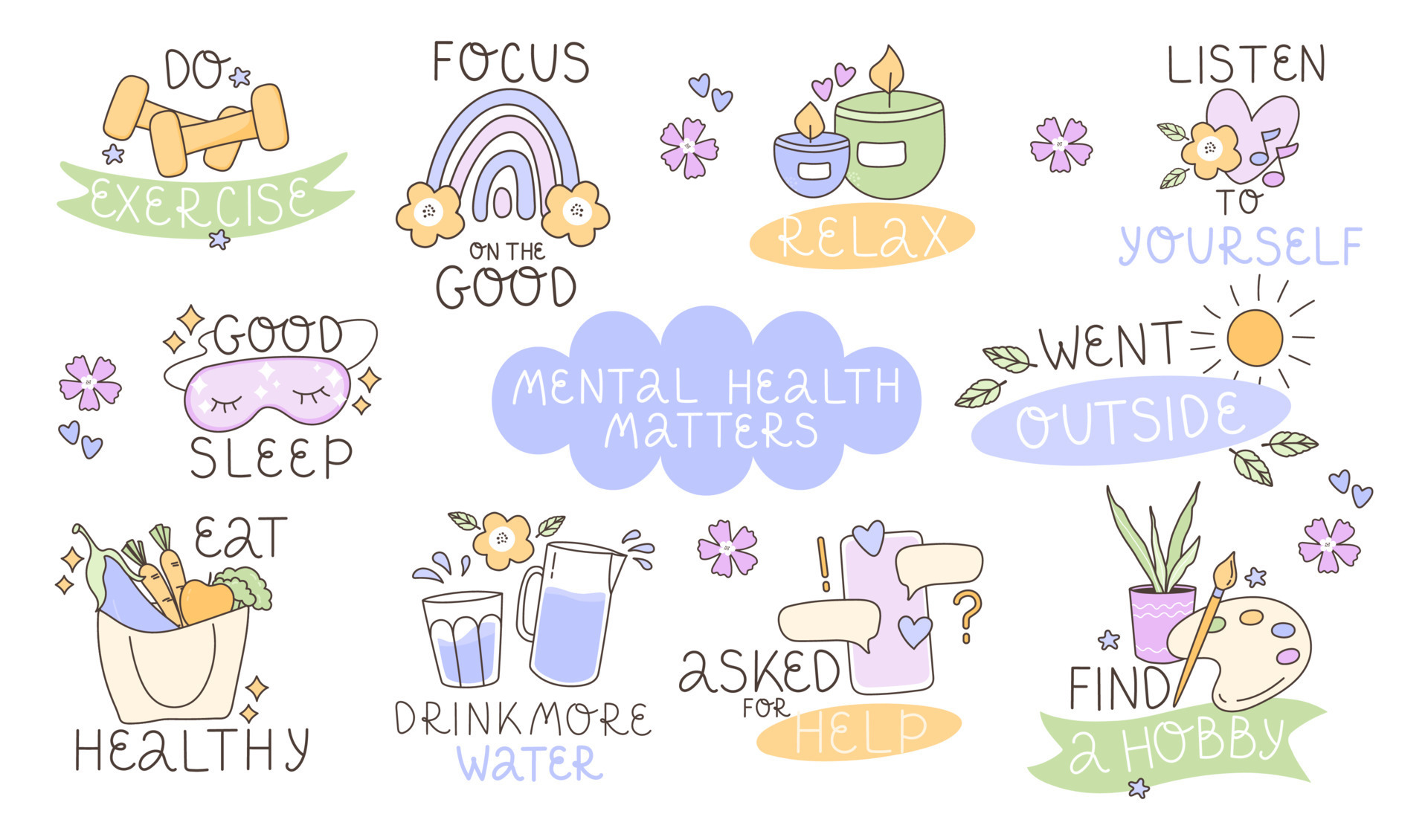
5. Daily Nutrition and the Brain Connection
The gut-brain axis plays a critical role in mental health. Microbes in your gastrointestinal tract produce a massive portion of your body’s neurotransmitters, making diet a primary lever for emotional stability.
| Essential Nutrient Group | Primary Biological Function | Ideal Food Sources |
| Omega-3 Fatty Acids | Reduces neural inflammation and strengthens cell membranes | Wild salmon, mackerel, walnuts, chia seeds, flaxseeds |
| Complex Carbohydrates | Provides steady glucose to prevent mood-disrupting blood sugar spikes | Oats, sweet potatoes, quinoa, brown rice, legumes |
| Fermented Probiotics | Nourishes beneficial gut bacteria to support neurotransmitter creation | Kefir, kimchi, sauerkraut, plain yogurt, kombucha |
| Polyphenols & Antioxidants | Protects neural tissue from oxidative stress and decay | Dark berries, raw cacao, green tea, dark leafy greens |
6. Physical Exercise as Psychological Protection
Movement is one of the most powerful natural tools available for mental stability. Regular physical exertion clears stress hormones and boosts brain plasticity.
Movement Strategies for Mental Health
A. Zone 2 Aerobic Training: Engage in light cardio like brisk walking or cycling for 30–45 minutes, three to four times a week. This effort level promotes metabolic efficiency and clears systemic stress.
B. Resistance Training: Lifting weights builds physical strength, improves body image, and boosts cognitive resilience under pressure.
C. Micro-Movement Breaks: Take short two-minute movement breaks every hour during work to prevent blood pool buildup and clear mental fatigue.
7. Digital Hygiene and Attention Protection
Endless doomscrolling and constant notifications fragment your attention, overstimulate your nervous system, and fuel social comparison.
Strategies for Digital Boundaries
- App Boundaries: Block social media and news apps after work hours using dedicated focus tools.
- Analog Spaces: Keep screens out of the bedroom and off the dining table to protect spaces meant for connection and rest.
- Notification Control: Disable all non-essential notifications. Choose to check messages intentionally rather than reacting to alerts.

8. Social Connection and Boundary Setting
Humans need meaningful relationships to thrive. Isolated individuals face significantly higher risks of long-term depression and cognitive decline.
Strengthening Social Ties
A. Active Listening: Practice deep, uninterrupted attention during conversations with family and friends to build genuine emotional trust.
B. Healthy Boundary Setting: Learn to decline extra social or professional demands when your energy is low. Protecting your time prevents resentment and burnout.
C. Community Engagement: Join local clubs, volunteer groups, or sports teams to build a rich network outside of work.
9. Tracking Progress and Adapting Your Plan
A mental wellness routine should flex as your life changes. Regularly reviewing your emotional health helps you adjust your habits before small stressors turn into major burnout.
Reflection Practices
- Daily Mood Logs: Track your energy, sleep quality, and mood levels using a simple journal or tracking app.
- Weekly Reviews: Spend ten minutes on Sunday assessing what worked, what caused stress, and where you need to adjust your schedule.
- Seasonal Adjustments: Shift your daily habits with changing seasons, updating light exposure and outdoor movement as light levels shift throughout the year.