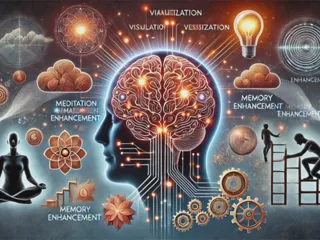

Achieving academic success requires moving beyond passive reading and late-night cramming. Modern educational research demonstrates that sustainable performance relies on evidence-based learning strategies, structured environment design, and consistent cognitive recovery routines. By systematically applying high-efficiency study methodologies, students can improve knowledge retention while significantly reducing study time and stress.
Cognitive Optimization Strategies
Traditional learning methods like highlighting textbooks or re-reading notes create an illusion of competence known as passive familiarity. To build durable memory connections in the brain, active cognitive strategies must replace passive consumption.
A. Active Recall Practice
Testing yourself during review forces the brain to retrieve information from memory, strengthening neural pathways far better than casual reading.
- Self-Quizzing: Convert lecture notes into questions and answer them without looking at the source materials.
- Flashcard Systems: Utilize tools like Anki or physical cards to force instant retrieval of key concepts, formulas, and vocabulary.
- The Feynman Technique: Explain complex concepts out loud in simple terms as if teaching a complete beginner, identifying gaps in understanding immediately.
B. Spaced Repetition Systems
Reviewing information at gradually increasing intervals prevents the natural decay of memory over time, shifting knowledge into long-term storage.
- Initial Review: Revisit new material within 24 hours of first exposure.
- Systemated Intervals: Test recall again at 3-day, 7-day, 14-day, and 30-day benchmarks to reinforce retention curves.
- Automated Scheduling: Leverage digital flashcard applications that adjust interval timing automatically based on difficulty ratings.
C. Interleaved Practice Method
Mixing related subjects or distinct problem types during a single study session improves problem-solving flexibility compared to blocked practice.
- Varied Mathematics: Alternate between calculus, geometry, and algebra problems in one session rather than practicing a single equation style continuously.
- Cross-Disciplinary Connections: Combine reading assignments across history, philosophy, and literature to build thematic analytical skills.
- Dynamic Skill Switching: Change task focus every 45 minutes to maintain high cognitive engagement and prevent mental exhaustion.
Environment and Attention Management
Your surrounding physical and digital environment directly determines your attention span and information retention efficiency. Eliminating friction points allows deep concentration without constant willpower expenditure.
A. Dedicated Study Space Design
Establishing a quiet, organized, and ergonomic workspace conditions the brain to enter focus mode instantly.
- Lighting Optimization: Ensure bright, natural light or cooler temperature LED lighting to reduce visual strain and maintain alertness.
- Ergonomic Alignment: Set up chairs and desk heights that support upright posture, keeping feet flat on the floor to minimize physical fatigue.
- Material Organization: Keep pens, notebooks, reference books, and charging cables within reach before beginning a study session.
B. Digital Distraction Elimination

Digital notifications disrupt focus and cause task-switching penalties that degrade cognitive speed and output quality.
- App Blocking Tools: Implement application blockers during dedicated focus hours to restrict access to social media platforms.
- Notification Muting: Enable focus profiles across mobile devices and computers to silence pop-ups and non-urgent messages.
- Single-Tasking Discipline: Keep only relevant application windows and browser tabs open for the immediate academic task.
C. Time-Boxing and Focus Frameworks
Structuring time into distinct work blocks balances sustained attention with necessary cognitive rest.
- The Pomodoro Technique: Work uninterrupted for 25 minutes, followed strictly by a 5-minute break to reset focus.
- Deep Work Blocks: Reserve 90-minute blocks for complex analytical tasks like essay writing or advanced problem sets.
- Structured Breaks: Step away from screens during breaks to stretch, hydrate, or rest eyes with long-distance viewing.
Metacognition and Exam Preparation
Metacognition—understanding how you process information—allows you to adjust study strategies based on subject difficulty and personal performance data.
A. Strategic Note-Taking Frameworks
Capturing information efficiently during lectures provides a structured blueprint for later review.
- Cornell Method: Divide pages into main notes, left-hand cue keywords, and a bottom summary section for rapid testing.
- Outline Method: Structure information hierarchy using logical main headings, sub-points, and bulleted details.
- Mind Mapping: Draw interconnected visual nodes to map out relationships between complex concepts in visual subjects.
B. Practice Testing and Simulation
Simulated exam conditions lower performance anxiety and reveal exact weaknesses before high-stakes assessments.
- Timed Practice Exams: Complete past papers under strict time limits without referring to textbooks or answer keys.
- Weak Spot Diagnostics: Categorize mistakes from practice tests into conceptual errors, misread questions, or simple calculation slips.
- Target Mastery Sessions: Dedicate immediate follow-up study sessions exclusively to topics missed during practice tests.
C. Study Group Collaboration
Collaborating with peers offers new perspectives on complex material and provides accountability.
- Peer Teaching Sessions: Assign members specific topics to teach the rest of the group during scheduled meetings.
- Group Quiz Construction: Have each participant write original practice questions to trade and grade together.
- Discussion Frameworks: Debate complex interpretations or alternate solutions to deepen conceptual understanding.
Physical Health and Mental Resilience
Cognitive function depends directly on physical well-being. Neglecting sleep, nutrition, or stress management undermines even the most disciplined study schedule.
A. Sleep Architecture and Memory Consolidation
Sleep is the primary biological mechanism for consolidating short-term learning into permanent memory.
- Consistent Schedules: Maintain identical sleep and wake times daily to stabilize circadian rhythms and improve REM sleep quality.
- Blue Light Management: Avoid electronic screens at least 60 minutes before sleep to facilitate natural melatonin production.
- Duration Targets: Aim for 7 to 9 hours of uninterrupted nightly sleep, especially leading up to major examinations.

B. Nutritional and Hydration Support
Proper nutrition stabilizes energy levels and prevents cognitive fatigue during intense study periods.
- Hydration Maintenance: Drink water consistently throughout the day, as mild dehydration impairs concentration and short-term memory.
- Balanced Fueling: Choose complex carbohydrates, healthy fats, and lean proteins over refined sugars to prevent energy crashes.
- Strategic Caffeine Usage: Consume caffeine early in the day to boost alertness while avoiding late afternoon intake that disrupts sleep.
C. Stress Management Techniques
High stress levels release cortisol, impairing the hippocampus and making memory retrieval difficult during exams.
- Physical Exercise: Engage in 30 minutes of moderate aerobic activity daily to stimulate neurogenesis and relieve tension.
- Mindful Breathing: Practice structured breathing exercises before exams to lower heart rate and reduce acute anxiety.
- Balanced Workloads: Schedule regular downtime and hobbies into weekly plans to prevent burnout and maintain long-term motivation.
Implementing Your Custom Study Blueprint
Building effective study habits requires incremental adjustments rather than an immediate overhaul of your routine. Select two or three strategies from this guide such as Active Recall, the Pomodoro Technique, and workspace optimization and apply them consistently over a two-week period. As these techniques become automatic, incorporate additional methods like Spaced Repetition and practice testing to refine your approach further. Track your academic performance and energy levels continuously, adjusting your framework to suit your personal learning style and course demands. Long-term academic excellence is not the result of natural talent alone, but the deliberate application of efficient, repeatable study systems.