
Table of contents
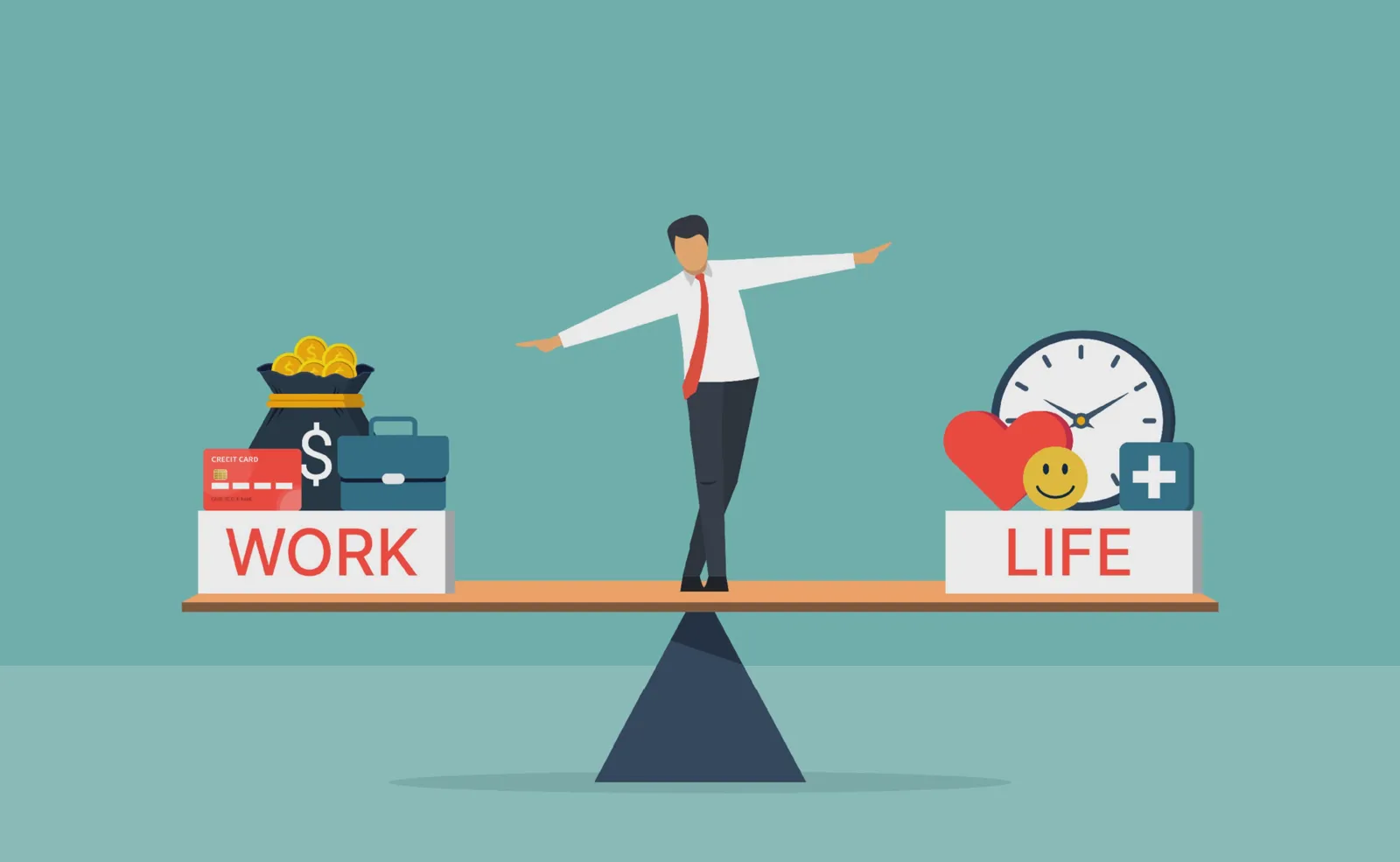
The boundary between professional commitments and personal life has become increasingly blurred. In a world driven by constant connectivity, high-demand careers, and remote work arrangements, achieving a sense of equilibrium is no longer a luxury; it is an absolute necessity for long-term health, happiness, and sustained productivity. Many professionals struggle with chronic fatigue, stress, and burnout because they treat work-life balance as a static state rather than a dynamic practice that requires continuous adjustment and intentional action.
True equilibrium does not mean dividing your day into equal halves between work and leisure. Instead, it involves cultivating a sustainable lifestyle where high-level performance at work coexists with continuous personal growth, physical vitality, and deep relationships. When you master modern strategies for managing your time, energy, and digital footprint, you unlock a higher level of efficiency while preserving your mental health.
Below is an extensive guide detailing actionable, modern work-life balance strategies designed to help you reclaim your time, lower daily stress, and excel in every area of your life.
1. Re-evaluating Modern Work Dynamics
To build a lifestyle that supports long-term success, you must first understand how contemporary workplace environments impact your cognitive bandwidth and physical well-being. The traditional 9-to-5 structure has largely evolved into an all-access digital framework, bringing both unprecedented flexibility and fresh psychological challenges.
A. The Myth of Continuous Multitasking
Attempting to handle multiple complex tasks at the exact same time degrades cognitive efficiency and significantly increases error rates. Research in neuroscience demonstrates that the brain does not process multiple high-level functions simultaneously; rather, it rapidly switches focus between tasks. This context switching depletes mental energy, leaving you feeling exhausted long before the end of the workday.
B. Digital Hyper-Connectivity and Cognitive Fatigue
Constant notifications, incoming emails, and continuous messaging streams keep the human nervous system in a heightened state of alertness. When you never fully disconnect from your communication platforms, your body maintains elevated levels of cortisol, leading to sleep disruption, reduced attention spans, and eventual professional burnout.
C. The Evolution of Remote and Hybrid Work Environments
While remote work offers flexibility and eliminates daily commutes, it also removes the physical boundaries that historically separated office life from home life. Without a designated physical commute or distinct office space, work tends to expand into early mornings and late evenings, occupying time that should belong to personal rest and family engagement.
2. Time Management and Prioritization Frameworks
Effective time management forms the backbone of any sustainable work-life balance routine. By structuring your schedule around high-value activities, you ensure that essential tasks receive your full focus while secondary responsibilities do not consume your entire day.
A. The Time Blocking Method
Divide your workday into discrete blocks of time, assigning a specific focus or task to each block. Rather than working off an endless to-do list, schedule your primary focus areas directly into your calendar. Treat these blocks as non-negotiable appointments with yourself.
B. The Eisenhower Matrix Strategy
Categorize every incoming task based on two key factors: urgency and importance.
- Urgent and Important: Execute these immediately to resolve pressing issues.
- Important but Not Urgent: Schedule these for dedicated focus time; this quadrant drives long-term career growth and personal development.
- Urgent but Not Important: Delegate these tasks whenever possible to keep your calendar open for high-impact objectives.
- Neither Urgent nor Important: Eliminate these completely to free up valuable time and attention.
C. The Pomodoro Technique for High-Focus Work
Maintain high momentum while preventing mental fatigue by breaking your day into focused sprints. Work for 25 minutes without interruptions, followed by a 5-minute break. After completing four consecutive cycles, take an extended break of 20 to 30 minutes to stretch, hydrate, and clear your mind.
D. Batching Low-Cognitive Administrative Tasks
Group similar administrative actions—such as answering emails, processing expense reports, or reviewing status updates—into single, designated time slots. Handling administrative duties in batches prevents constant interruptions throughout your major project execution blocks.
3. Setting Strict Digital and Behavioral Boundaries
Establishing clear boundaries protects your personal bandwidth and prevents work from dominating your private life. Success in setting boundaries requires clear communication, consistency, and discipline across both professional and personal channels.
A. Establishing a Hard Stop at the End of the Workday
Define a fixed time every day when your professional operations end. When that hour arrives, turn off your work workstation, step away from your desk, and step into non-work activities. A clear ending signal helps your brain shift smoothly from a high-focus state into rest and recovery.
B. Configuring Notification Curfews
Deactivate work-related applications, email accounts, and team communication channels on your personal mobile devices outside of standard business hours. Setting automatic Do Not Disturb schedules prevents late-night notifications from drawing you back into work tasks.
C. Mastering the Art of Constructive Refusal
Protect your primary responsibilities by learning to turn down extra projects or non-essential commitments that do not align with your core goals. Declining low-priority requests professionally ensures you maintain enough time and focus to deliver exceptional results on your core priorities.
D. Communicating Availability Expectations to Stakeholders
Be transparent with colleagues, supervisors, and clients regarding your working hours and response timelines. Setting realistic expectations early reduces pressure for instant replies and fosters a culture of mutual respect for personal time.

4. Maximizing Energy and Personal Well-Being
Managing your energy is just as crucial as managing your schedule. When your physical and mental health are well-supported, you process complex tasks faster, make clearer decisions, and enjoy your personal time more fully.
A. Prioritizing Rest restorative Sleep Architecture
Consistently getting seven to eight hours of quality sleep every night builds the foundation for long-term cognitive health, emotional resilience, and physical repair. Establish a relaxing night routine free from electronic screens to help your body transition naturally into deep sleep.
B. Incorporating Daily Physical Movement
Regular exercise boosts energy levels, reduces stress hormones, and improves overall mood. You do not need intense weightlifting sessions every day; consistent moderate activities like brisk walking, yoga, cycling, or swimming provide substantial health benefits and mental clarity.
C. Designing Strategic Daily Micro-Breaks
Step away from your primary workspace for short periods during the day. Spending five to ten minutes walking outdoors, doing simple physical stretches, or practicing deep breathing exercises resets your focus and lowers stress built up during intense work sessions.
D. Fueling Your Body for Sustained Focus
Choose nutrient-dense foods that offer steady, lasting energy rather than rapid sugar surges followed by mid-afternoon crashes. Drinking enough water throughout the day also wards off headache-inducing dehydration and cognitive sluggishness.
5. Optimizing Your Physical and Virtual Workspace
Your physical workspace strongly influences your focus, posture, and ability to separate work from relaxation. Optimizing your workspace environment significantly improves daily comfort and output quality.
A. Designing an Ergonomic Workstation Layout
Position your monitor at eye level, sit in a chair that offers proper lumbar support, and keep your keyboard and mouse positioned so your arms rest comfortably. Ergonomic adjustments prevent chronic neck strain, back issues, and repetitive stress injuries.
B. Creating a Dedicated Professional Area
If you work remotely, dedicate a specific room or distinct desk space exclusively for your professional activities. Having a designated work area creates a clear physical barrier that helps your brain associate that space with focus, while keeping the rest of your home free for rest and leisure.
C. Maintaining an Organized Digital File System
Clean up your digital workspace by systematically organizing your desktop, cloud storage, and project management tools. Clear file naming protocols and structured directories dramatically reduce time wasted searching for crucial documents.
D. Leveraging Environmental Enhancements
Incorporate natural lighting, air-purifying indoor plants, and comfortable room temperatures into your workspace. A pleasant environment lowers daily stress levels and helps you maintain focus during demanding work projects.
6. Delegating, Automating, and Streamlining Workflows
Maximizing your productivity means spending your time on high-impact work while delegating or automating routine operational tasks.
A. Automating Repetitive Daily Tasks
Use software tools to handle routine operations like scheduling appointments, sending recurring reminders, sorting incoming emails, and backing up important files. Automating these steps saves valuable time every week and reduces daily mental overhead.
B. Delegating Standard Operational Responsibilities
Empower team members by assigning appropriate tasks and responsibilities to them. Effective delegation builds team skills and confidence while freeing up your calendar for high-level strategy and high-priority deliverables.
C. Eliminating Low-Value Work Processes
Regularly review your workflow to identify redundant steps, unnecessary meetings, or outdated approval chains. Eliminating these inefficiencies streamlines operations and returns valuable hours to your working week.
D. Standardizing Reusable Templates and Frameworks
Build a centralized library of templates, standard operating procedures, and reusable frameworks for frequent project deliverables. Standardized tools keep quality high and drastically lower the time required to launch new initiatives.
7. Nurturing Personal Relationships and Creative Interests
True life balance relies on investing quality time in activities outside of work. Meaningful relationships, hobbies, and creative pursuits nourish your identity beyond your job title.
A. Scheduling Dedicated Quality Time with Loved Ones
Treat personal relationships with the same priority as major professional projects. Block out dedicated time for family meals, weekend outings, and uninterrupted conversations without work distractions.
B. Pursuing Fulfilling Personal Interests
Dedicate time to hobbies and activities that bring genuine joy and creative fulfillment—such as playing music, painting, gardening, cooking, or learning a language. Engaging in rewarding personal pursuits rejuvenates your mind and keeps work stress in perspective.
C. Engaging with Local Communities
Participating in local sports leagues, neighborhood associations, or volunteer groups broadens your support network and grounds you in meaningful real-world experiences outside your career.
D. Planning Regular Periods of Complete Disconnection
Schedule regular vacations or extended weekend breaks where you completely step away from work communications. Taking time away gives your mind space to recharge, yielding renewed energy and creative ideas when you return.

8. Long-Term Habits for Sustained Life Balance
Creating a balanced lifestyle is an ongoing journey that requires regular self-reflection and flexibility as your career and life evolve over time.
A. Conducting Weekly Personal Audits
Take fifteen minutes at the end of every week to evaluate your schedule, energy levels, and stress triggers. Identify what went well, notice where work spilled into personal time, and adjust your plan for the upcoming week accordingly.
B. Adapting Strategies Across Changing Life Stages
Recognize that your ideal balance will shift as your personal and professional circumstances change. Starting a new role, welcoming a family member, or pursuing higher education each require thoughtful updates to your routines and boundaries.
C. Practicing Self-Compassion and Flexibility
Understand that perfect daily balance is unrealistic. Certain weeks demand extra focus on work projects, while others prioritize family and personal health. Approach these temporary shifts with flexibility rather than frustration, focusing on long-term stability overall.
D. Seeking Guidance and Professional Support
If managing workload stress or personal challenges feels overwhelming, connect with trusted mentors, executive coaches, or qualified mental health professionals. Guidance from experienced resources helps you build sustainable strategies tailored to your specific goals.