
Table of contents
Venturing into the dense, vibrant, and unpredictable expanse of a jungle is one of the ultimate tests of human resilience. Unlike temperate forests or open grasslands, tropical rainforests present a unique combination of extreme humidity, relentless rainfall, dense vegetation, and an overwhelming abundance of wildlife. Whether you are an experienced outdoor enthusiast, a survivalist, or someone preparing for an unexpected expedition, understanding the core principles of jungle survival is vital.
This comprehensive guide dives deep into the master rules of wilderness jungle survival. By breaking down the psychological, physiological, and practical aspects of navigating the rainforest, you will learn how to transform a hostile environment into a manageable landscape. Let us explore the fundamental strategies required to stay safe, secure your basic needs, and ultimately find your way back to civilization.
1. The Psychology of Survival: Mind Over Environment
When people find themselves lost or stranded in the jungle, the greatest threat is rarely the wildlife or the lack of food; rather, it is the mind. Panic is a silent killer that impairs judgment, drains energy, and leads to fatal mistakes. Maintaining a calm, rational mindset is the absolute first step toward survival.
A. Overcoming the Initial Shock: The moment you realize you are lost, a rush of adrenaline will trigger the fight-or-flight response. Recognize this biological reaction, take a deep breath, and stop moving immediately. Sit down, drink some water, and allow your heart rate to normalize before making any decisions.
B. Applying the STOP Principle: Developed by wilderness survival experts, the acronym STOP serves as an immediate mental anchor:
- Stop: Freeze your movements and do not let panic dictate your actions.
- Think: Analyze your current situation, resources, and immediate threats.
- Observe: Look around your surroundings for natural shelters, water sources, and hazards.
- Plan: Formulate a step-by-step strategy for the next few hours before darkness falls.
C. Cultivating Mental Resilience: Survival is a marathon, not a sprint. Keep your morale high by setting small, achievable daily goals such as gathering firewood, reinforcing your shelter, or filtering a specific amount of water. Maintaining a positive and proactive attitude significantly increases your physiological endurance and overall chances of rescue.
2. Navigating the Rule of Threes in Tropical Climates
Every survivalist learns the traditional “Rule of Three,” which outlines human physiological limits: 3 minutes without air, 3 hours without shelter in extreme environments, 3 days without water, and 3 weeks without food. In the jungle, these timelines shift dramatically due to extreme humidity, making shelter and water priorities number one.
A. The Critical Need for Shelter: In a tropical rainforest, shelter is not just about protection from rain; it is about shielding yourself from relentless insects, falling debris, damp soil, and dramatic temperature drops at night. Hypothermia can occur even in warm climates if you are wet, exhausted, and exposed to wind.
B. Hydration Demands: While you can survive three days without water in mild conditions, the intense heat and heavy exertion of the jungle mean you can become severely dehydrated in less than 24 hours. Dehydration causes confusion, dizziness, and poor decision-making, which can quickly lead to disaster.
C. Caloric Management: Food is ironically the lowest priority in a short-term jungle survival scenario. A healthy human can survive for weeks without eating. Never waste precious energy hunting large game or consuming unfamiliar plants when your focus should be dedicated to securing water, maintaining a fire, and building a secure shelter.
3. Water Procurement and Purification Techniques
Water is life, but in the jungle, surface water is often a breeding ground for dangerous pathogens, parasites, and bacteria. Drinking untreated water can lead to debilitating illnesses like dysentery, giardia, or cholera, which will rapidly incapacitate you.
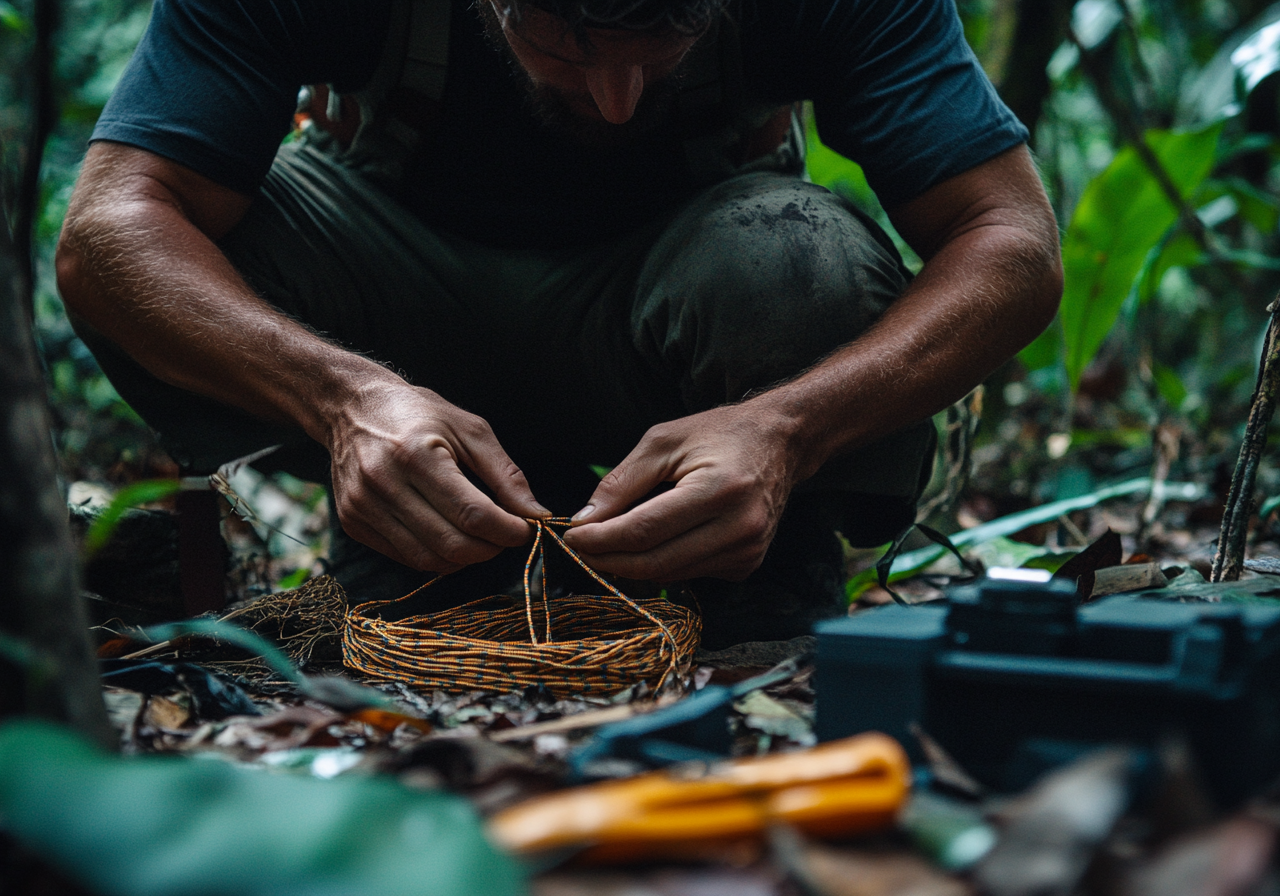
A. Collecting Rainwater: Rainwater is generally the cleanest and safest natural source of hydration in the rainforest. You can harvest it by setting up wide-leaf funnels, clean tarps, or hollow bamboo stalks directed into a container. Always ensure your collection vessels are as clean as possible.
B. Identifying Transpiration and Plant Sources: Certain plants store clean water naturally. Vines, such as the water vine (Calamus species), can be cut to release potable water provided the sap is clear and odorless. Avoid any vines that produce milky, sticky, or colored sap, as these are frequently toxic.
C. Purification Methods: Never consume standing jungle water without treatment.
- Boiling: Rolling a boil for at least one to three minutes is the gold standard for killing all waterborne pathogens.
- Improvised Filtration: Create a multi-layered gravity filter using layers of fine sand, crushed charcoal, and gravel packed inside a bamboo tube or cloth to remove particulate matter before boiling.
4. Constructing a Secure Jungle Shelter
Building a proper shelter protects you from the elements, venomous creatures, and psychological distress. The golden rule of jungle shelter construction is elevation: never sleep directly on the damp ground.
A. Choosing the Right Location: Scout your location carefully before building. Avoid dry riverbeds, which can flash-flood without warning during sudden tropical downpours. Stay clear of dead or rotting trees (“widow-makers”) that can drop heavy branches in high winds.
B. Elevated Platforms: Constructing a raised platform keeps you away from crawling insects, snakes, and damp soil that accelerates fungal infections and hypothermia. Use sturdy saplings tied together with strong jungle vines or cordage to build a sleeping platform at least two to three feet off the ground.
C. Roofing and Waterproofing: Use large, overlapping leaves such as banana, palm, or fronds arranged in a shingle pattern from bottom to top. This ensures that cascading rainwater runs off the roof rather than seeping through onto your sleeping area.
5. Firecraft in High-Humidity Environments
Fire is your ultimate ally in the wilderness. It provides warmth, purifies water, cooks food, deters nocturnal predators, and serves as a powerful psychological morale booster. However, starting a fire in a perpetually wet jungle is one of the toughest challenges a survivalist faces.
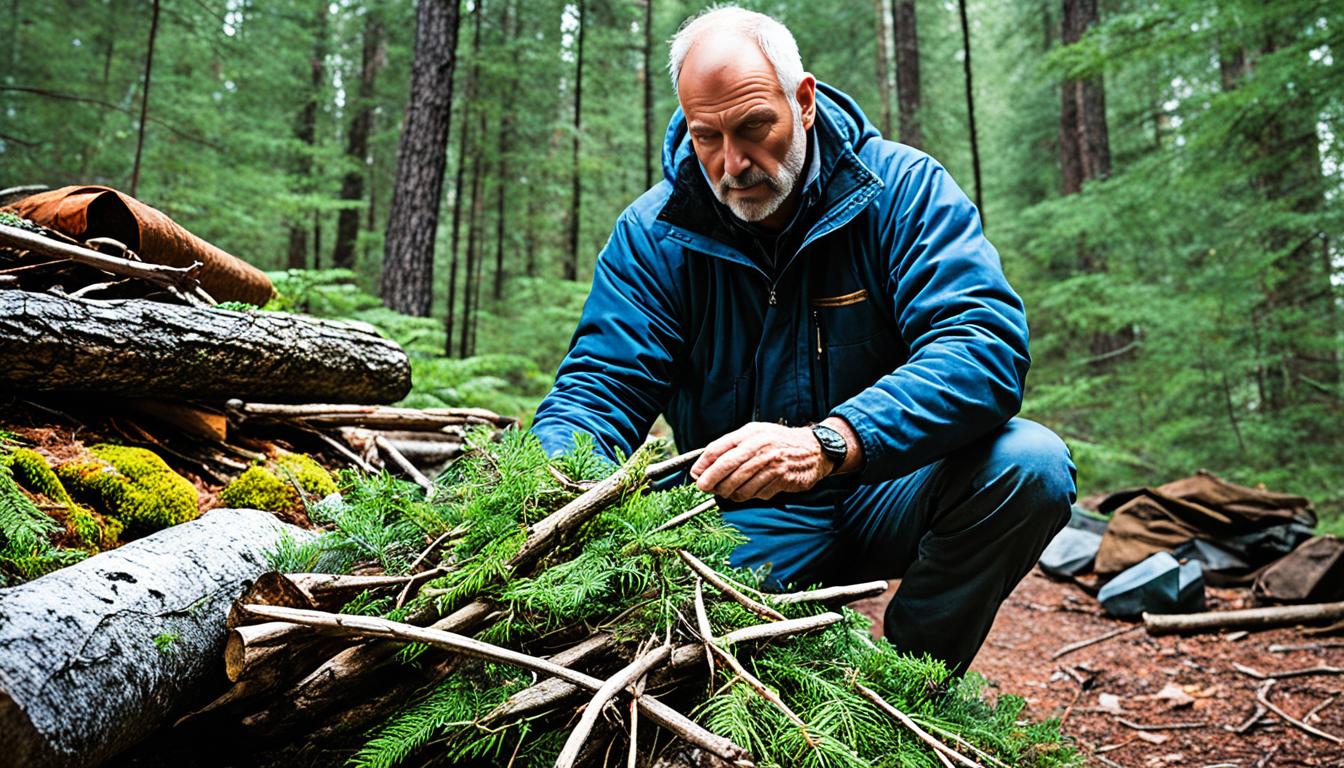
A. Sourcing Dry Tinder and Fuel: Because the top layer of everything in the jungle is saturated with moisture, finding dry wood requires ingenuity. Look inside dead standing trees, split open damp logs to access dry heartwood, or scrape the inner bark of specific trees.
B. Using Natural Accelerants: Natural resins, sap from pine or rubber trees, bird nests, and dry bamboo shavings make excellent tinder. Dry bamboo inner fibers are particularly prized by survivalists because they catch a spark very easily.
C. Mastering Friction and Spark Methods: While waterproof matches and ferrocerium rods are standard kit items, knowing primitive friction methods such as the bow drill or hand drill using dry, seasoned wood can save your life if your gear is lost. Always build your fire on a raised platform of green logs and stones to prevent it from sinking into wet soil.
6. Foraging Safely: Finding Food Without Poisoning Yourself
Foraging in the jungle requires extreme caution. The rainforest boasts thousands of edible species, but it also harbors some of the most potent toxins found on Earth.
A. The Universal Edibility Test: If you are forced to forage for unknown plants, use the strict multi-step edibility test over a 24-hour period. Separate the plant parts (leaves, roots, stems), test for skin irritation first, boil a small sample, hold it in your mouth without swallowing, and gradually consume tiny amounts while waiting for adverse reactions. Never guess when it comes to mushrooms—avoid them entirely unless you are an expert botanist.
B. Safe Protein Sources: Insects are abundant and protein-rich in the jungle. Grasshoppers, beetles, grubs, and termites are generally safe to eat (ideally cooked to kill parasites). Avoid brightly colored insects, hairy caterpillars, or bugs with strong, foul odors, as these traits indicate chemical defense mechanisms.
C. Fishing and Trapping: Setting simple deadfall traps or gorge hooks near streams can yield fish or small mammals without expending excessive energy. Always cook wild meat thoroughly to eliminate parasites.
7. Navigating and Signaling for Rescue
Knowing where you are and how to guide rescuers to your location is the final phase of jungle survival. Dense canopies block GPS signals and obscure aerial views, making navigation and signaling uniquely difficult.
A. Maintaining Directional Awareness: Without a compass or clear view of the sun and stars, it is easy to travel in circles. Use natural indicators: moss often grows more densely on the damp, shaded sides of trees, and stream flow almost always leads downward toward civilization or larger rivers.
B. Creating High-Contrast Signals: To attract search parties or aircraft, build three signal fires in a triangle (the universal distress signal). Green vegetation placed over a hot fire creates thick, white smoke that rises high above the jungle canopy, making it visible from miles away.
C. Leaving Trail Markers: If you decide to move in search of help, leave clear, unmistakable markers behind such as broken branches, piled rocks, or tied vines so rescue teams and search dogs can trace your path.
Conclusion
Jungle survival is an exercise in patience, adaptability, and deep respect for nature. By mastering these fundamental rules maintaining your mental composure, prioritizing shelter and purified water, managing fire under difficult conditions, foraging safely, and executing clear rescue signals you dramatically tilt the odds of survival in your favor. Preparation and knowledge are your heaviest shields against the wild; carry them wisely on every adventure.