
Table of contents
Efficiency is not about rushing through a chaotic task list; it is a systematic approach to managing your time, focus, and energy. Highly successful individuals achieve outstanding results by using proven strategies to streamline their workflow. This guide breaks down core daily efficiency practices designed to help you organize your daily tasks, eliminate common distractions, and maximize output without burning out.
1. Core Principles of Modern Personal Productivity
To build a truly productive routine, you must establish a clear foundation. Productivity relies on structured planning and intentional focus rather than sheer willpower.
- A. Intentional Planning: Successful daily output begins the night before. Spend five to ten minutes outlining your primary goals for the upcoming day to reduce morning decision fatigue.
- B. Energy Awareness: Identify your peak cognitive hours. Schedule high-priority, complex tasks during periods of high mental clarity and reserve low-energy slots for routine administrative work.
- C. Ruthless Elimination: Eliminating non-essential commitments creates space for high-impact activities. Evaluate your task list regularly to identify items that can be delegated, automated, or canceled.
2. Advanced Time Management Methodologies
Managing time effectively requires proven operational frameworks. Implementing structured time management techniques ensures that important assignments receive undivided attention.
The Timeboxing Framework
Timeboxing involves assigning a fixed duration to every single activity on your schedule. Instead of working off an endless to-do list, your tasks are directly integrated into your calendar.
- A. Define Realistic Windows: Estimate how long a task requires and assign a dedicated time block. Be realistic to prevent continuous schedule overruns.
- B. Treat Blocks as Appointments: Respect time slots with the same strict commitment as formal business meetings. Avoid allowing minor interruptions to push back your schedule.
- C. Include Buffer Intervals: Schedule short, strategic breaks between heavy focus blocks to prevent cognitive fatigue and handle unexpected issues.
The Pomodoro Technique
The Pomodoro technique splits your workflow into intense sprint intervals separated by systematic breaks. It helps maintain peak focus over extended periods.
- A. Work for 25 Minutes: Dedicate a full 25 minutes exclusively to a single task without any digital or personal distractions.
- B. Take a 5-Minute Break: Step away from your workstation, stretch, or hydrate to reset your mental focus.
- C. Conduct a Long Break: After completing four continuous cycles, reward yourself with a longer rest period of 15 to 30 minutes.
3. Prioritization Frameworks for Maximum Impact
Not all tasks carry equal weight. Learning to evaluate and order responsibilities ensures that your time goes toward activities that deliver the highest value.
The Eisenhower Matrix
This framework categorizes work according to urgency and importance, helping you establish clear operational priorities.
+-----------------------------------+-----------------------------------+
|         URGENT & IMPORTANT        |       NOT URGENT & IMPORTANT      |
|  Action: Do It Immediately        |  Action: Schedule Dedicated Time  |
|  Examples: Crises, Deadlines      |  Examples: Planning, Skill Building|
+-----------------------------------+-----------------------------------+
|       URGENT & NOT IMPORTANT      |     NOT URGENT & NOT IMPORTANT    |
|  Action: Delegate to Others       |  Action: Eliminate Completely     |
|  Examples: Routine Requests       |  Examples: Time-Wasters, Busywork  |
+-----------------------------------+-----------------------------------+
- A. Quadrant 1 (Do First): Focus on critical issues and pressing deadlines that demand immediate action.
- B. Quadrant 2 (Schedule): Invest heavily in strategic planning, proactive health maintenance, and personal development. This quadrant drives long-term success.
- C. Quadrant 3 (Delegate): Hand off urgent low-value interruptions, general notifications, and non-essential meetings to others.
- D. Quadrant 4 (Delete): Identify and cut out low-value distraction habits that yield no measurable return.
The Ivy Lee System
A century-old routine designed to maintain razor-sharp focus on essential goals each day.
- A. List Six Key Goals: At the end of every workday, write down the six most important tasks you need to accomplish tomorrow. Do not list more than six.
- B. Rank Order: Prioritize those six items in direct order of true importance.
- C. Sequential Execution: Begin tomorrow working exclusively on task number one. Do not move to task two until the first task is completely finished.
4. Digital Environment Optimization and Focus Safeguards
Modern work environments are filled with constant digital noise. Protecting your attention requires strict boundaries and intentional workspace optimization.
                    +--------------------------------+
                    |    Identify Daily Distractions |
                    +---------------+----------------+
                                    |
                                    v
                    +--------------------------------+
                    |   Apply Strict Digital Rules   |
                    +---------------+----------------+
                                    |
            +-----------------------+-----------------------+
            |                                               |
            v                                               v
+-----------------------+                       +-----------------------+
|  Disable Unnecessary  |                       | Implement Asynchronous|
|     Notifications     |                       |     Communication     |
+-----------------------+                       +-----------------------+
- A. Audit Digital Notifications: Mute non-essential app alerts, badge counts, and email pop-ups across all devices to protect focus.
- B. Process Email in Batches: Avoid keeping email clients open all day. Set two or three designated times daily to clear and process messages.
- C. Leverage Asynchronous Tools: Move team communications toward clear, shared documentation tools to reduce the need for constant real-time chat updates.
- D. Organize Digital File Hubs: Keep desktop screens, cloud storage, and file directories clean and structured to minimize search time.
5. Physical Energy and Ergonomic Management
Mental performance depends heavily on physical health. Optimizing your workspace ergonomics and physical habits directly supports focus and sustained stamina.
- A. Ergonomic Desk Setup: Position your computer monitor at eye level and adjust your chair to support neutral spinal alignment and comfortable posture.
- B. Hydration and Nutrition: Drink water consistently throughout the day and eat balanced meals to avoid energy crashes.
- C. Active Movement Breaks: Take short walks or perform simple mobility stretches every hour to boost blood circulation and relieve physical strain.
- D. Restorative Sleep Habits: Maintain a consistent sleep schedule to ensure cognitive recovery, clear memory processing, and steady daytime alertness.
6. Sustainable Continuous Improvement Habits
Building an efficient lifestyle is an ongoing process of refining and adjusting your routines. Regular self-assessment ensures your workflows adapt smoothly as goals change.
- A. Weekly Workflow Audits: Set aside 15 minutes at the end of each week to review completed projects, evaluate progress, and identify operational bottlenecks.
- B. Process Automation: Identify repetitive, low-impact tasks and use smart digital tools or templates to streamline them.
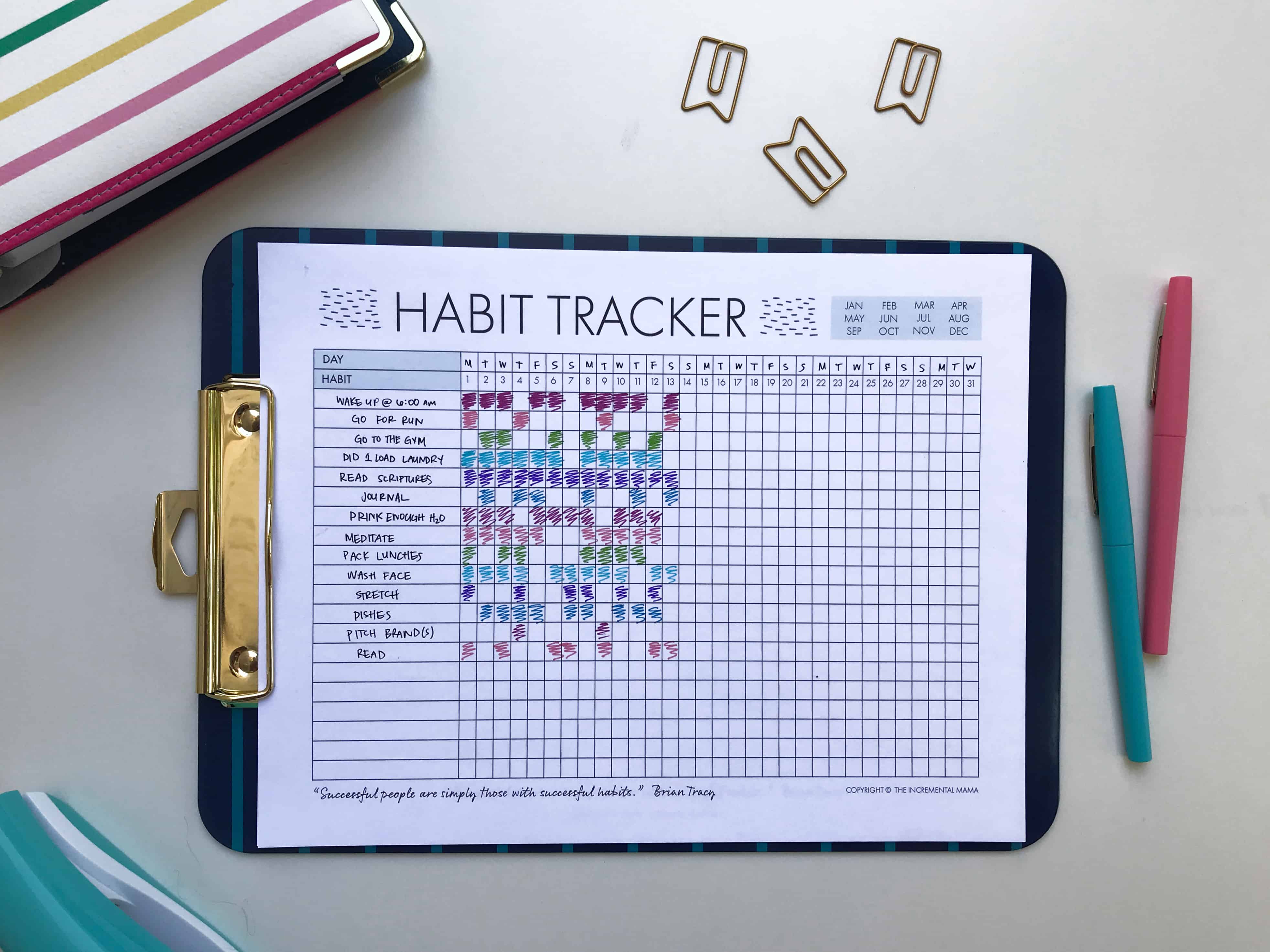
- C. Habit Stacking: Pair new productivity habits with established daily routines to make behavioral changes stick naturally.
- D. Mindful Reflection: Evaluate what worked well and what fell short each day, using those insights to adjust your routine for consistent progress.

Comprehensive Summary Matrix
| Strategy Domain | Primary Method | Key Actionable Step | Target Benefit |
|---|---|---|---|
| Planning | Evening Prep | Write top priorities before ending the workday | Reduces morning decision fatigue |
| Execution | Timeboxing | Block dedicated calendar slots for high-priority tasks | Protects uninterrupted focus time |
| Sprint Management | Pomodoro Technique | Work 25 minutes followed by a 5-minute break | Prevents burnout during intense focus |
| Prioritization | Eisenhower Matrix | Divide tasks into four structured urgency/importance quadrants | Prevents minor tasks from overriding priorities |
| Daily Ordering | Ivy Lee System | Complete six key tasks in strict sequential order | Builds momentum on primary goals |
| Focus Safeguards | Batch Processing | Check communication channels only at designated times | Stops continuous digital interruptions |
| Physical Maintenance | Ergonomics & Hydration | Set monitor to eye level; maintain daily fluid intake | Sustains energy and physical comfort |
| Refinement | Weekly Audits | Review task throughput every Friday afternoon | Keeps routines aligned with real-world goals |
Frequently Asked Questions
How long does it take to turn a new productivity technique into a reliable habit?
Developing a new routine typically takes between 21 and 66 days, depending on task complexity and personal consistency. Focus on building one core habit at a time to build long-term momentum without overwhelming yourself.
What is the best way to handle unexpected urgent tasks during the workday?
Build flex time into your daily schedule. Leaving a 30 to 60-minute buffer allows you to address urgent issues without derailing your core priorities for the day.
Can these daily efficiency techniques work for remote and hybrid employees?
Yes. Remote and hybrid workers benefit significantly from strict digital boundaries, dedicated timeboxing, and batching communications. These practices establish clear separation between focused work and personal life.